Discovering Casa Batlló: A Marvel of Modernist Architecture

History of Casa Batlló
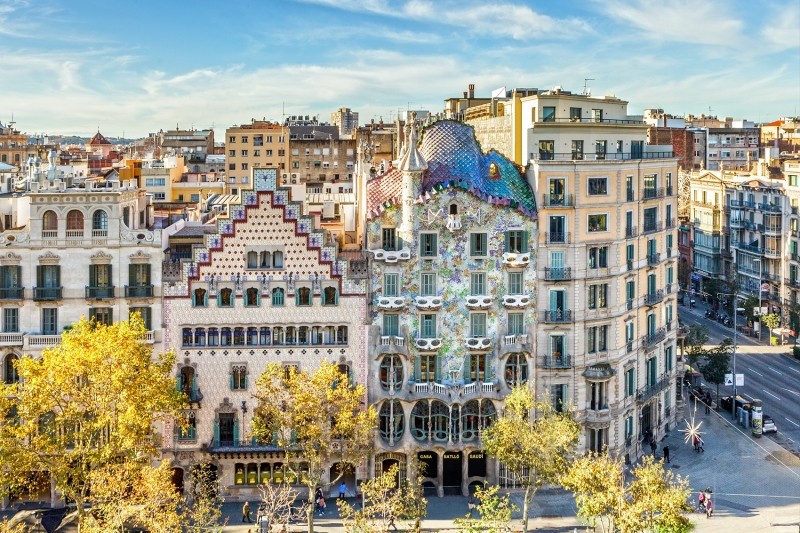
At number 43 on Paseo de Gracia stands the iconic Casa Batlló. Historically, this street served as a link between the city and the Villa de Gracia neighbourhood, which is now an integral part of Barcelona. The Batlló family no longer had a stake in Casa Batlló after the 1950s. Since the 1990s, when they purchased it from a succession of previous owners, the Bernat family have meticulously restored the home to its former glory.
In 1995, the family opened the home to the public, presenting this architectural masterpiece to the world and allowing others to rent the space for their own activities. Since 2002, when the International Year of Gaud was celebrated, cultural tours of Casa Batlló have also been available. Both can be done now, and both the supply and the content are evolving all the time.
Now a UNESCO World Heritage site, Casa Batlló is a Barcelona landmark and a must-see for anybody interested in Gaud’s architecture or the city’s modernist legacy. It’s also one of the top cultural and tourist destinations, drawing in over a million people annually.
An interior full of art
The interior of Casa Batlló is equally impressive.Gaud worked with some of the most skilled craftspeople of his age, and the finished products include stained glass, wrought iron, ceramic tiles, and ornamental stonework.
There’s always something new to see when you visit the house. Modernist-style lettering mark the entrances to the various units. The lightwell’s tiles, as seen from the windows on each landing, are distorted into the appearance of gentle waves. Ergonomic designs were used for the door handles and handrails. Design, colour, shape, space, and light—everything about this piece was crafted by the artist.
You will always be surprised by this zeal, and what you may find most shocking is that it is grounded in necessity. Every part of the structure, from the lobby all the way up to the rooftop terrace, is a harmonious blend of aesthetics and utility.
The Entrance Hall
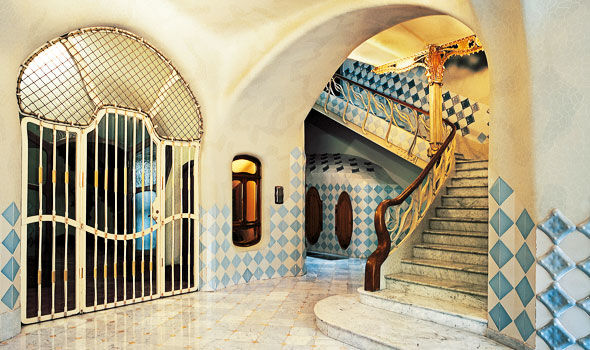
Through an excellent modernist grid, the public entrance hall on the ground level connects to the private entrance hall used by the Batlló family. The trip’s inaugural destination. Skylights that look like turtle shells, vaulted walls with curved curves, and a beautiful wooden staircase all work together to make this room feel like you’ve entered the magical world of Jules Verne. Hardwood bannister carvings depict the spine of a gigantic creature rising up through seemingly insurmountable obstacles.
The Noble Floor
The Noble Floor is the focal point of the home, featuring a one-of-a-kind hall that exemplifies the pinnacle of modernity and describes life for the bourgeoisie at the time.
The floor opens out into Mr. Batlló’s study, which features a unique fireplace in the shape of a mushroom. This opens out into the main living area, which features a wide picture window that looks out onto Paseo de Gracia and is perfect for people-watching. The massive wood doors are one of the most striking features, with organic curves into which Gaud integrated stained glass panes and a completely undulating ceiling, which conjures the power of the sea.

Lightwell
The lightwell is essential because it channels the air and light that enter the house through the main skylight to the other rooms. It was important to Gaud that all of the rooms in the house had access to natural light, so he doubled the size of the patio (there was already one). To further ensure that the light was diffused evenly, he painted it with tiles in varying shades of blue. The tiles were darker in the higher section and lighter at the bottom.
In a similar vein, the windows get bigger (and so let more light in) as we move down. There are ventilation controls in the form of wooden slats in the bottom windows. The lift was strategically placed by Gaud in the middle of the lightwell. Its original, stunning lift car was made of wood, and it’s still in operation today.

Indoor garden
The private dining room of the Batlló family, which is situated in the middle of the Noble Floor, provides access to an exclusive rear patio. This courtyard is a little oasis in the middle of the city, and it was built for the family to enjoy in the afternoon. The paving, tiles, and flower pots covered in glass that serve as the space’s primary decorative features are the aspects of this area that stand out as being particularly notable.

Loft
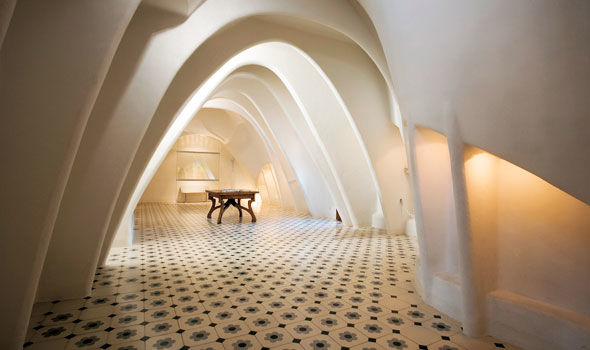
The loft is one of a kind; it’s a beautiful room that serves a practical purpose. It was once a washing facility, storage area and other service facilities for the residents of the building.
The clean lines, predominant use of white, and luminous atmosphere are all hallmarks of this style, which takes its cues from the Mediterranean. There are 60 catenary arches that span the room, making it feel like the inside of an animal’s ribcage.
Roof terrace
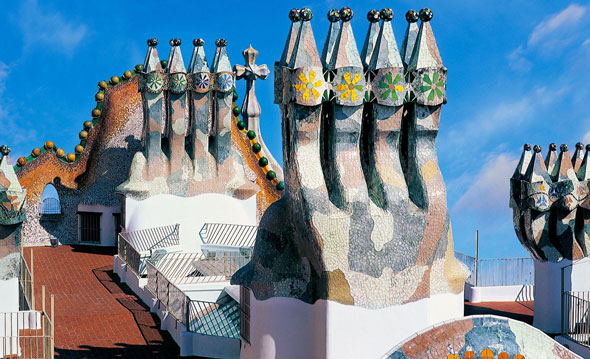
What is commonly referred to as the dragon’s back is what dominates the roof terrace. This feature, which distinguishes the facade and was represented by Gaud using tiles of varying colours, is the focal point of the roof terrace.
However, the four crooked and multicoloured chimney stacks, which were created in order to prevent backdrafts, constitute the primary point of interest of the roof terrace. At the most magnificent and iconic house of Catalan modernism, beauty and usefulness are once again brought together to create a harmonious whole.